Pay in installments of $5.29 with
 ,
,
 and
and

Shipping Estimate
USA
- USA
- CAN
- USA
- CAN
Ships within 48 hours · Estimated delivery Sep 4 - Sep 9
 Promo Codes Available:
For Your Every Summer RSVP, with Code: SUMMER15
Description
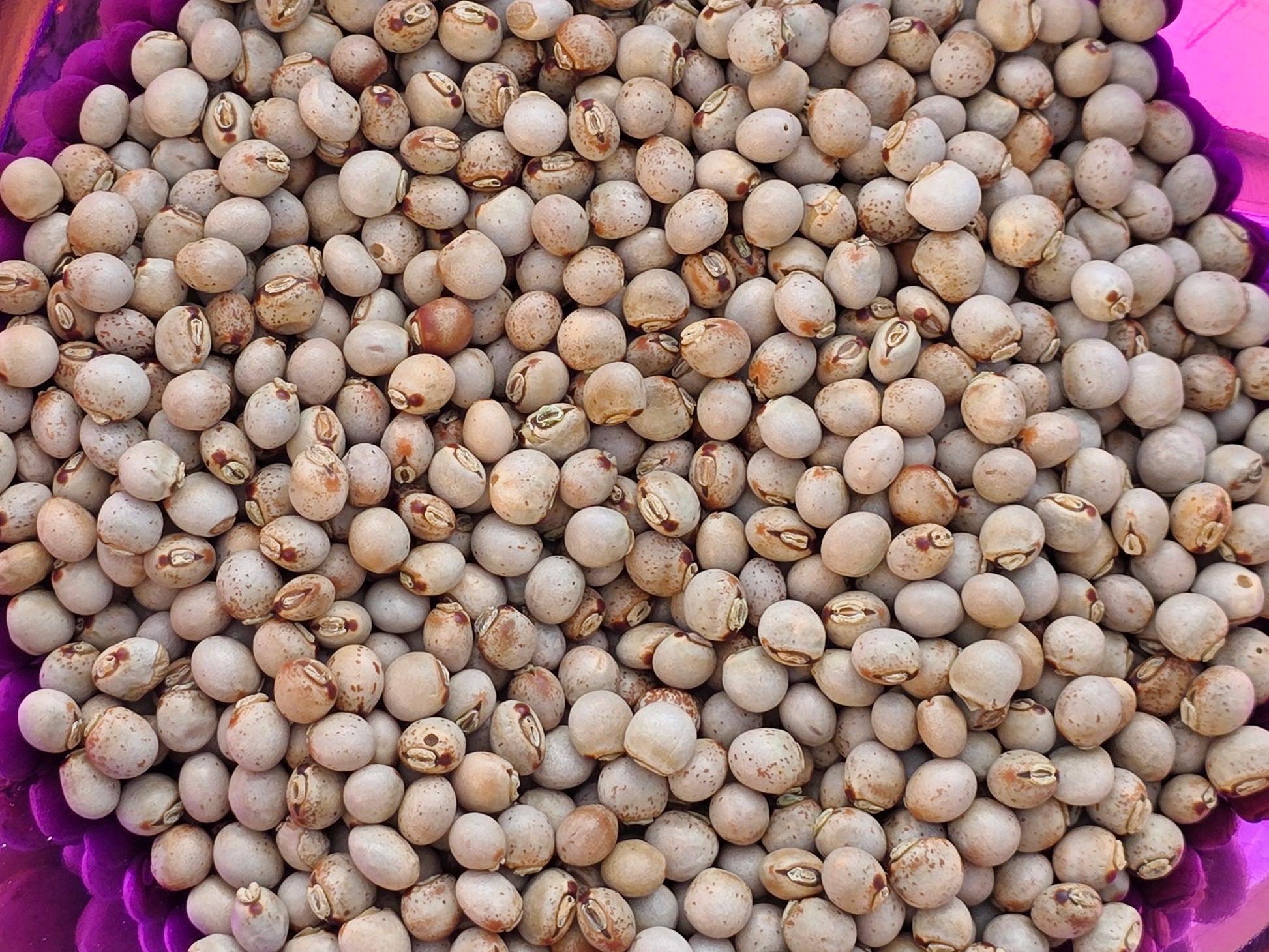
garden peas seeds Pigeon Peas (Guandules) – Drought-Tolerant Perennial – Jerra's GardenPigeon Peas aka Guandules Heirloom Vegetable Seeds Cajanus cajan Listing is for 1 packet of 20 seeds Watch my YouTube video guide all about how to grow Pigeon Peas from seed to harvest: https: youtu. be Jks07Oe9hh4 Pigeon Peas are one of the oldest cultivated crops in the world. They grow thru poor soil conditions (such as sandy Florida soils) and are extremely drought heat tolerant. The plant grows into a bushy shrub and will live produce for 2 3
Pigeon Peas aka Guandules Heirloom Vegetable Seeds
Cajanus cajan
Listing is for 1 packet of 20 seeds
Watch my YouTube video guide all about how to grow Pigeon Peas from seed to harvest: https://youtu.be/Jks07Oe9hh4
Pigeon Peas are one of the oldest cultivated crops in the world. They grow thru poor soil conditions (such as sandy Florida soils) and are extremely drought/heat tolerant. The plant grows into a bushy shrub and will live/produce for 2-3 years. This is a super easy vegetable to grow in Florida and the south, especially for permaculture practices. The plant's root system also affixes nitrogen into the soil.
The pods can be harvested while still green and tender to be eaten in similar fashion as edamame. The peas can be harvested in the plump green stage and cooked. Or the pod can be allowed to dry completely so the peas can be stored.
My family is from the Dominican Republic and this is a very popular staple crop. We use peas in the fresh green stage for a popular rice dish called "arroz con guandules". This particular variety is my families favorite because the pods are extra long compared to other varieties. Therefore, they produce more peas per pod.
Please be advised that this crop/plant is sensitive to cold weather. It is commonly grown in the tropics, South America, and the Caribbean. It will survive zones +9 just fine. However, cold temperatures experienced in zones 8 and lower can easily kill the plant.
HOW TO GROW
Check out my video guide on how to grow pigeon peas aka guandules from seed all the way to harvest HERE.
Or read the full detailed blog post HERE
Germination: 10-15 days
Seed Soak: It helps to soak the seeds in warm water overnight before planting
Seed Sowing Depth: 1/2” deep
Direct Sowing Process: Direct sowing is preferred after the last frost. The plant is very susceptible to transplant shock which is why direct sowing is recommended.
Sowing In Containers: If you have issues with poor germination or critters eating the seedlings, then try sowing 2 seeds in a solo cup with drainage holes cut out about 6 weeks before all danger of frost has passed (approx 1-2 months after your last spring frostdate). Place each container over a heat mat to keep the soil warm which helps with germination. It also helps if you cover the containers in plastic or trash bags to lock in humidity and heat. Once they sprout, remove the plastic/trash bags and place under a grow light. They are ready to transplant once the root ball has formed enough that it holds the soil together when you try to pop the seedling out of the solo cup - but transplant before it gets root bound.
Sun: Please grow in a full sun location or the shrub will have difficulties flowering and producing pea pods.
Soil: Pigeon peas do not need rich soil. They grow very well in poor soils or Florida native sandy soils without amendments.
Water: At the beginning, before plants get established, monitor and keep the soil moisture consistent. Once established - like when plantsare 6 months or older, they should be able to fend for themselves with natural rainfall. For this reason, we like to plant our pigeon peas 1-2 months before the rainy season starts in Florida. We monitor and water the baby seedlings until the rainy season starts (typically in June). Then the plants should be ok unless it doesnt rain for many days. Pigeon peas do not like excess water in the soil. Make sure the soil is well drainage. Allow the soil to dry out a little in between watering. It is especially important to keep soil moisture consistent during pod formation so they fill out nicely.
Harvest: To eat the entire pod: harvest the entire pod at a tender green stage before the peas inside start to swell and consume like edamame. To eat fresh peas: harvest the entire pods when the green peas bulge inside but before the entire pod is dried out. To eat/store dry peas: allow the pod and peas inside to dry completely and turn brown. Then shell out the dried peas and store in a cool, dry, dark place.
Watch my YouTube video guide all about how to grow Pigeon Peas from seed to harvest:
Shipping Notes
- Free Standard Shipping on $100+ Orders to the USA.
- Except Preorder products are shipped in 48 hours.
- Delivery to the USA:
- Standard Shipping : 3-10 business days
- If time is of the essence, please consider selecting expedited delivery for faster service.
Exchange/Return Notes
- We offer a 30-day return/exchange service after receiving.
- Final sale items are not eligible for returns or exchanges.
- To process your return/exchange, please contact us at [email protected]
- Please click here for more details>>> Return & Exchange Policy